

- 16.07.2026
PERFECT TENSION
[INDUSTRIAL, BERLIN, AND SOUND AS COMMUNITY]
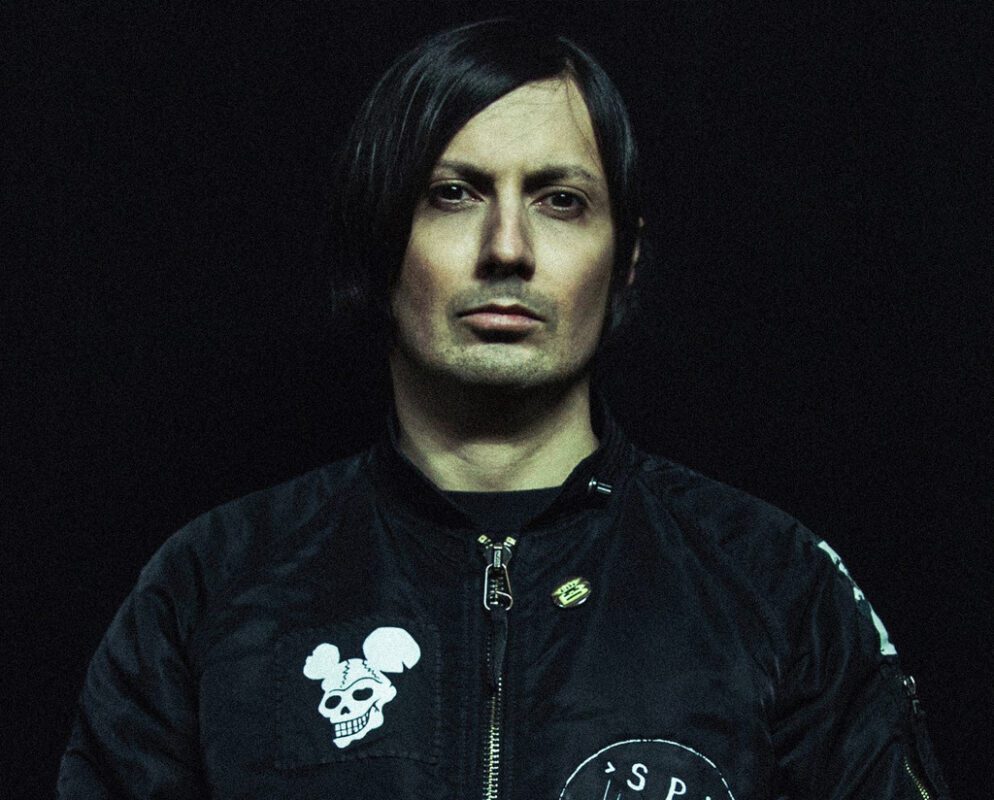
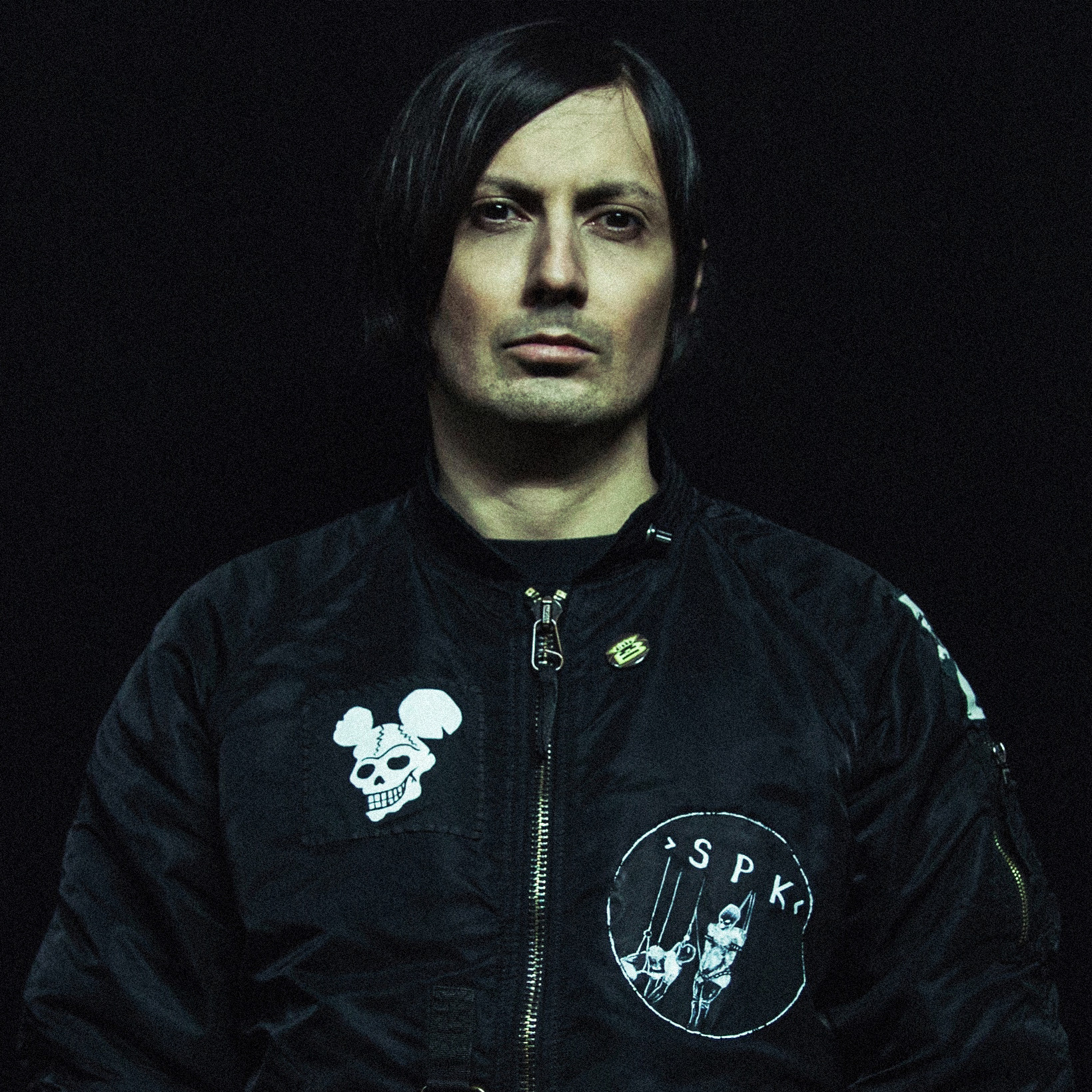
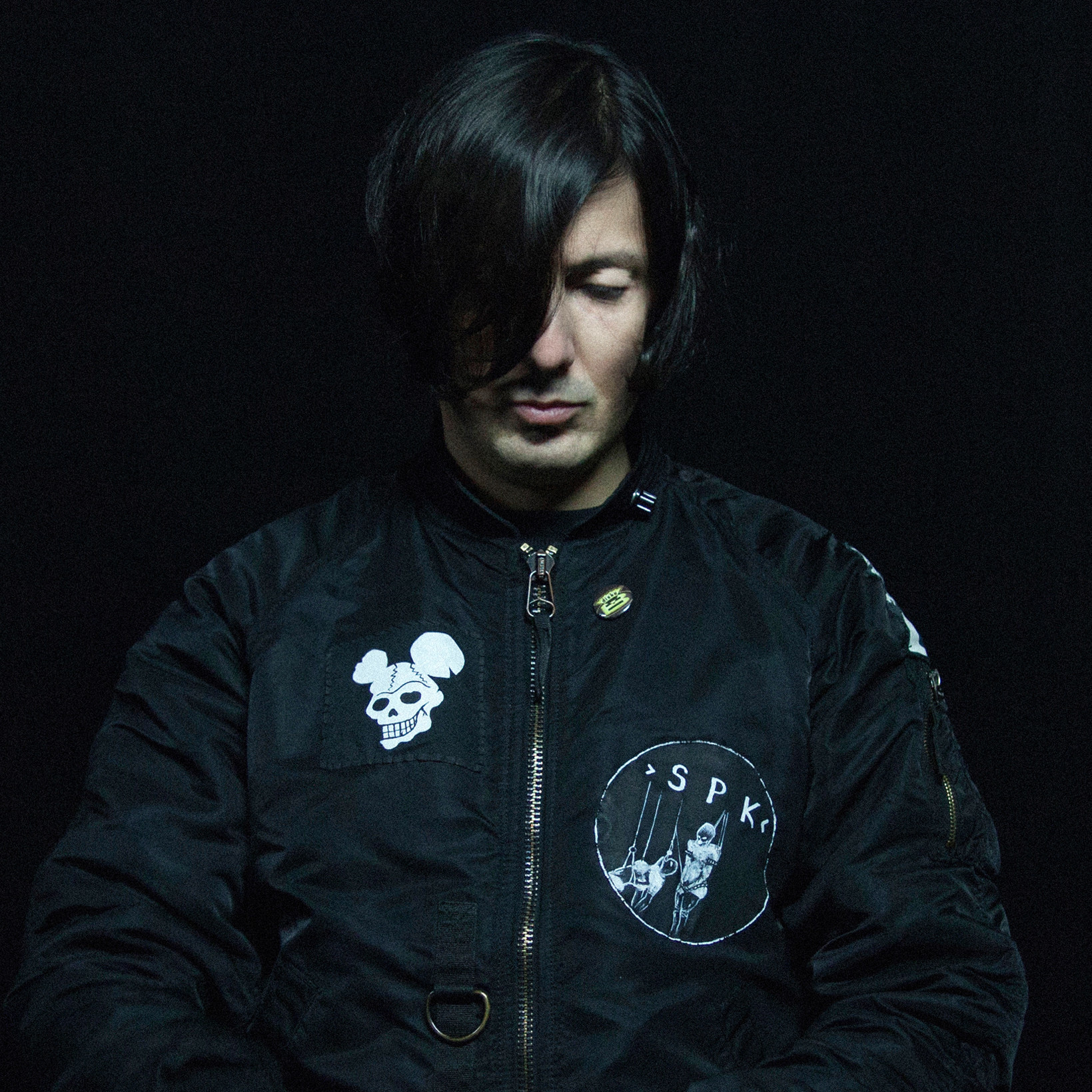
PERFECT TENSION
[INDUSTRIAL, BERLIN, AND SOUND AS COMMUNITY]
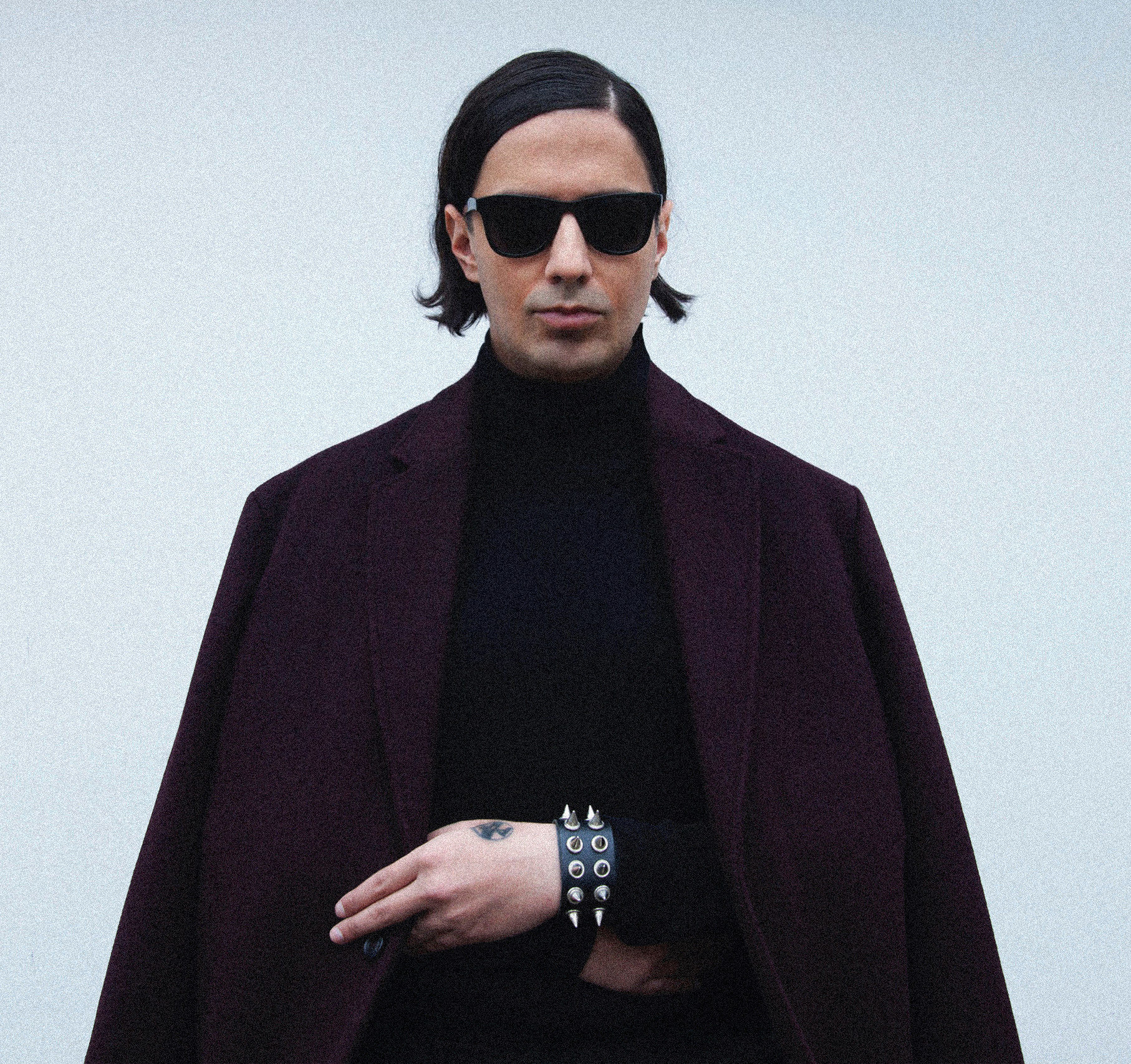
Alexey Volkov started making music in 1997, back when the scene still lived without the internet and visuals — just sound. Since then he’s gone through Berlin, launched Perfect Tension, and had a track land in a Raf Simons show. We talk about why commerce never became his goal, why he got rid of almost all his gear, and what’s kept him in music for nearly thirty years.
Алексей Волков начал делать музыку в 1997-м, когда сцена ещё жила без интернета и визуала — только звук. С тех пор он прошёл через Берлин, запустил Perfect Tension, а его трек однажды попал на показ Raf Simons. Говорим о том, почему коммерция так и не стала для него целью, зачем он избавился от почти всей техники и что держит его в музыке почти тридцать лет.
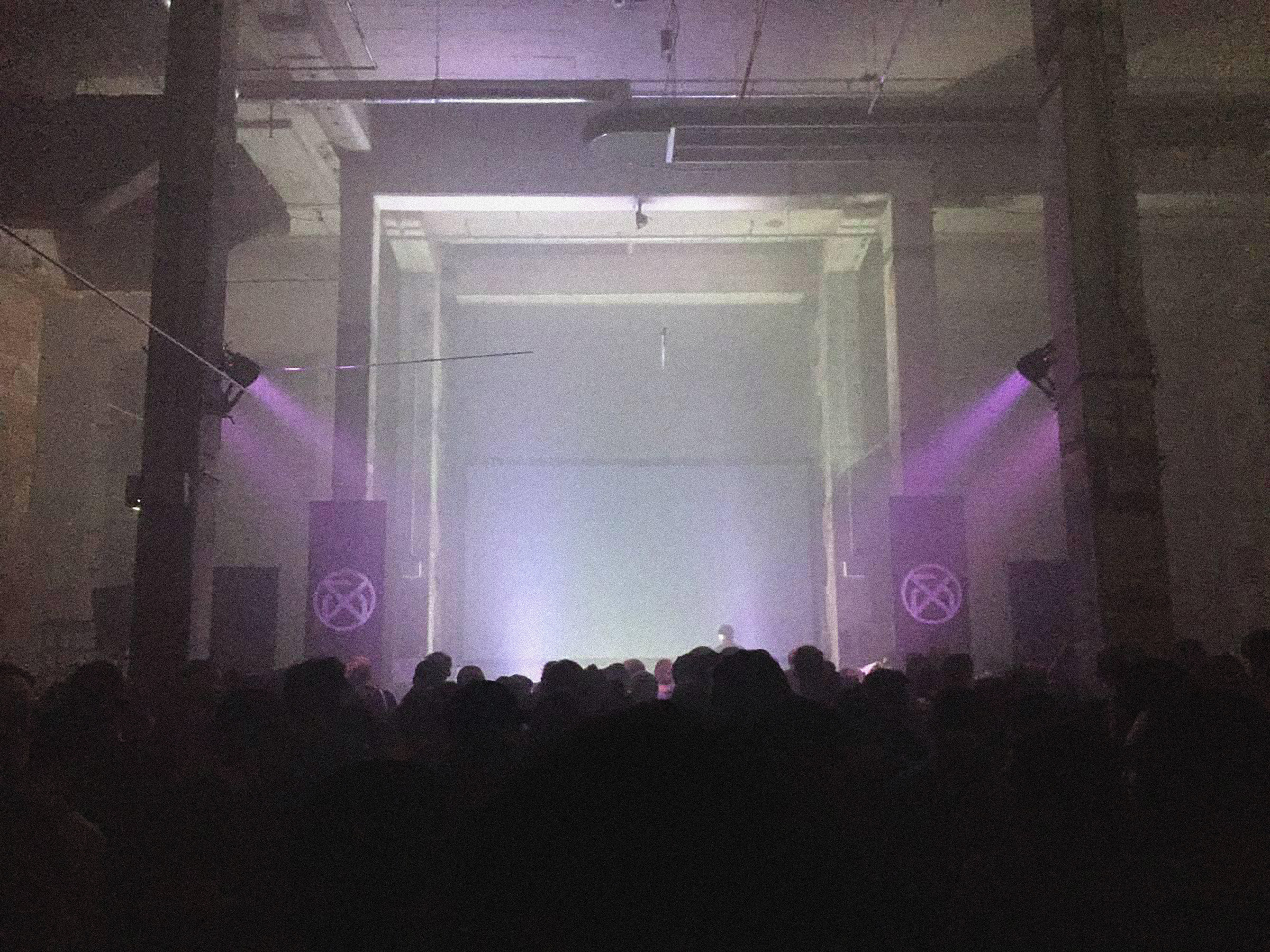
You started making music back in 1997. What did the scene sound like then, and what from that era still shapes what you do today?
Without the internet, sound was the only way to connect with an artist. There was no visual layer accompanying almost every release like today. The connection to music felt much stronger. I still miss it, honestly. I remember when Discogs appeared, the first thing I did was go look at what Regis and Surgeon looked like. They turned out almost exactly as I’d imagined them. I’m still influenced by the idea of the scene as a community. I think in terms of people united by a shared culture and an exchange of energy. Back then, enthusiasm often mattered more than commercial goals. I think that’s stayed with me. The sound was, let’s say, bolder.
Ты начал заниматься музыкой ещё в 1997 году. Как звучала сцена тогда, и что из того периода до сих пор влияет на то, что ты делаешь сейчас?
Без интернета звук был единственным способом общения с артистом. Не было визуального слоя, который сегодня сопровождает почти каждый релиз. Связь с музыкой ощущалась гораздо сильнее. Даже скучаю по этому. Помню, когда появился Discogs, первым делом пошёл смотреть, как выглядят Regis и Surgeon. Они оказались почти такими, какими я их представлял. На меня до сих пор влияет идея сцены как сообщества. Я мыслю категориями людей, объединённых общей культурой и обменом энергией. Тогда энтузиазм часто был важнее коммерческих целей. Думаю, это осталось со мной. Звучала она, скажем так, смелее.
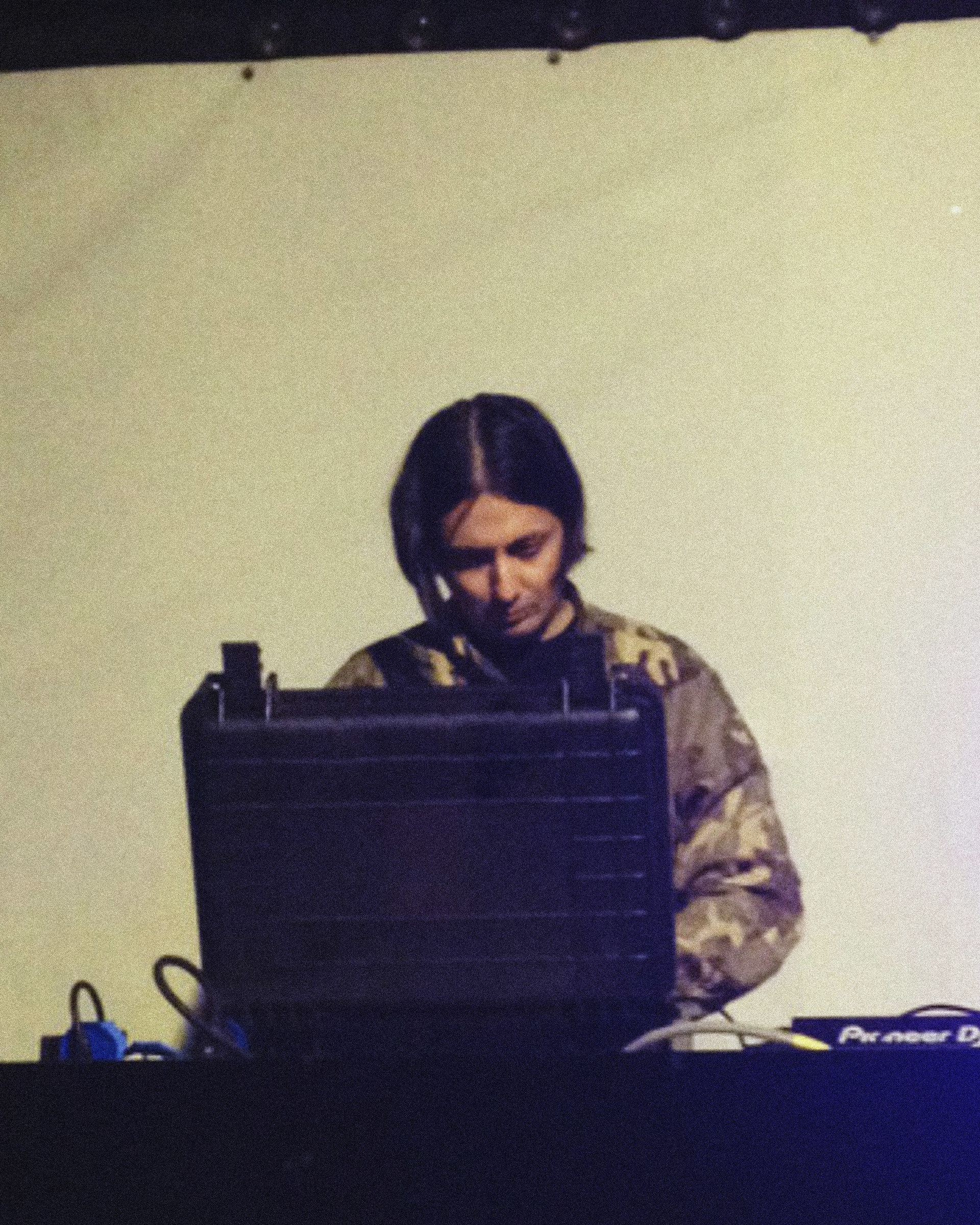
What drove you toward industrial and experimental techno rather than something more accessible? Was it a conscious choice or were you simply following the sound that pulled you in?
I was always drawn to the aggressive character of industrial sound and its hypnotic cyclicality. There’s a spirit of rebellion in it, from Punk and TOPY. I never thought in terms of audience comfort. There has always been a demand for complex, dark, and ambiguous art. Humanity has a very large shadow.
Что заставило тебя выбрать именно индастриал и экспериментальное техно, а не более «удобные» для аудитории направления? Это был осознанный выбор или ты просто шёл за звуком, который тебя цеплял?
Всегда привлекал агрессивный характер индустриального звука и его гипнотическая цикличность. В нём есть дух бунтарства, от Punk и TOPY. Никогда не думал категориями удобства для аудитории. Запрос на сложное, тёмное и неоднозначное искусство был всегда. У человечества очень большая тень.
Tell us about the move to Berlin. What did it give you as an artist and is there anything you left behind?
In the ’90s, Berlin was almost a myth to me. Back then it was a different city, with cleaner energy and strong communities. I arrived already in a period of commercialization and partial loss of that culture. And the start of the war in Ukraine, the death of my friend Silent Servant, and the pandemic made additional adjustments. Did I gain anything from it? Definitely not. Did I become stronger? Yes.
Расскажи про переезд в Берлин. Что он дал тебе как артисту и есть ли что-то, что ты потерял, уехав?
В 90-х Берлин был для меня почти мифом. Тогда это был другой город с более чистой энергией и сильными сообществами. Я приехал уже в период коммерциализации и частичной утраты этой культуры. А начало войны в Украине, смерть друга Silent Servant и пандемия внесли дополнительные коррективы. Приобрёл ли что-то от этого? Однозначно нет. Стал сильнее? Да.
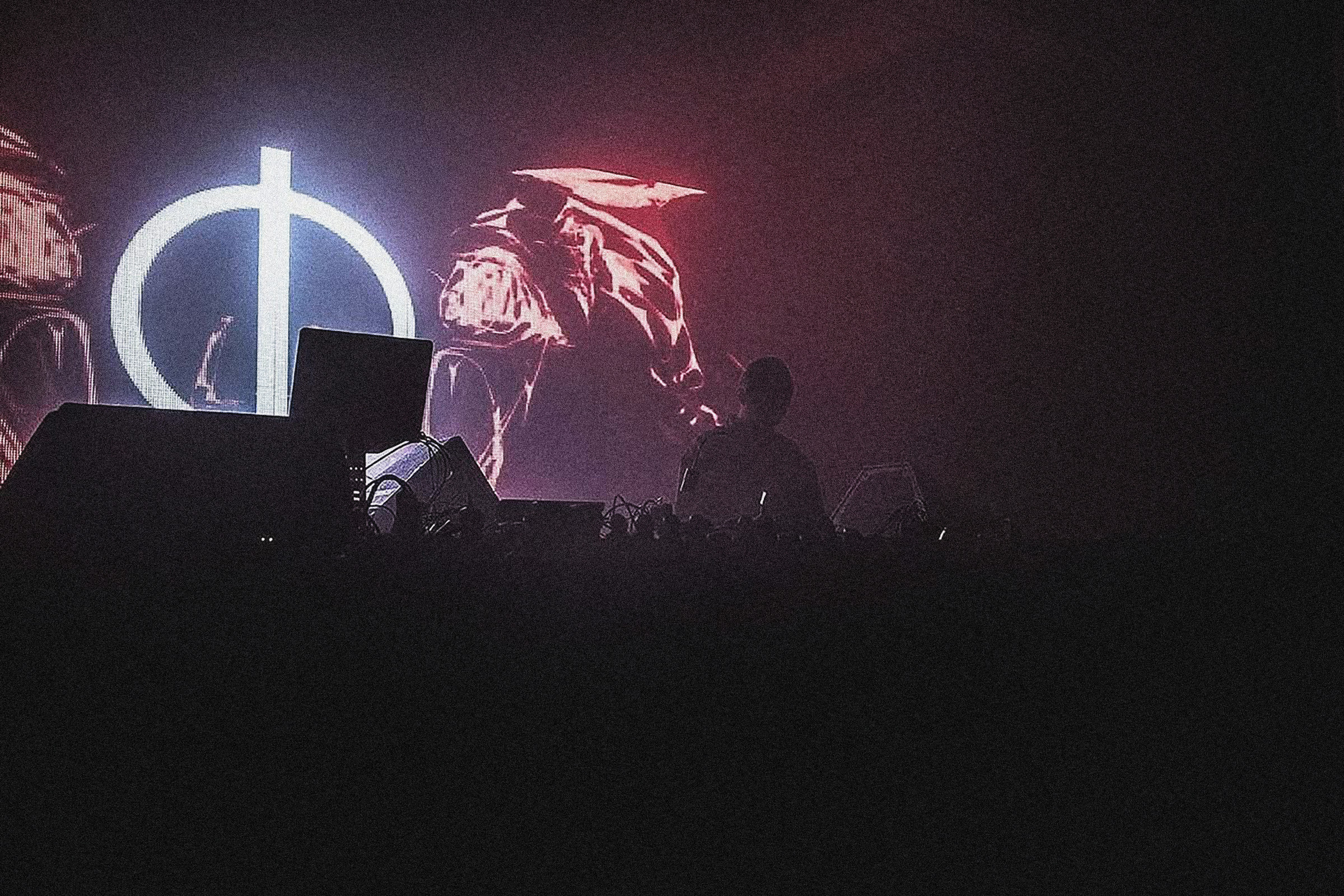
Where did the alias Perfect Tension come from? How does that project differ from what you release under your own name?
Perfect Tension is a move toward post-punk combined with cyclical electronics. I liked the combination of words itself. Bold enough, and it describes the character of the sound well. The Alexey Volkov project was more about techno and stopped existing after the war in Ukraine began. For personal reasons.
Откуда взялся псевдоним Perfect Tension? Чем этот проект отличается от того, что ты выпускаешь под собственным именем?
Perfect Tension — это движение в сторону пост-панка, соединённого с цикличной электроникой. Понравилось само сочетание слов. Достаточно дерзкое и хорошо описывает характер звука. Проект Alexey Volkov был больше про техно и прекратил существование после начала войны в Украине. По личным причинам.
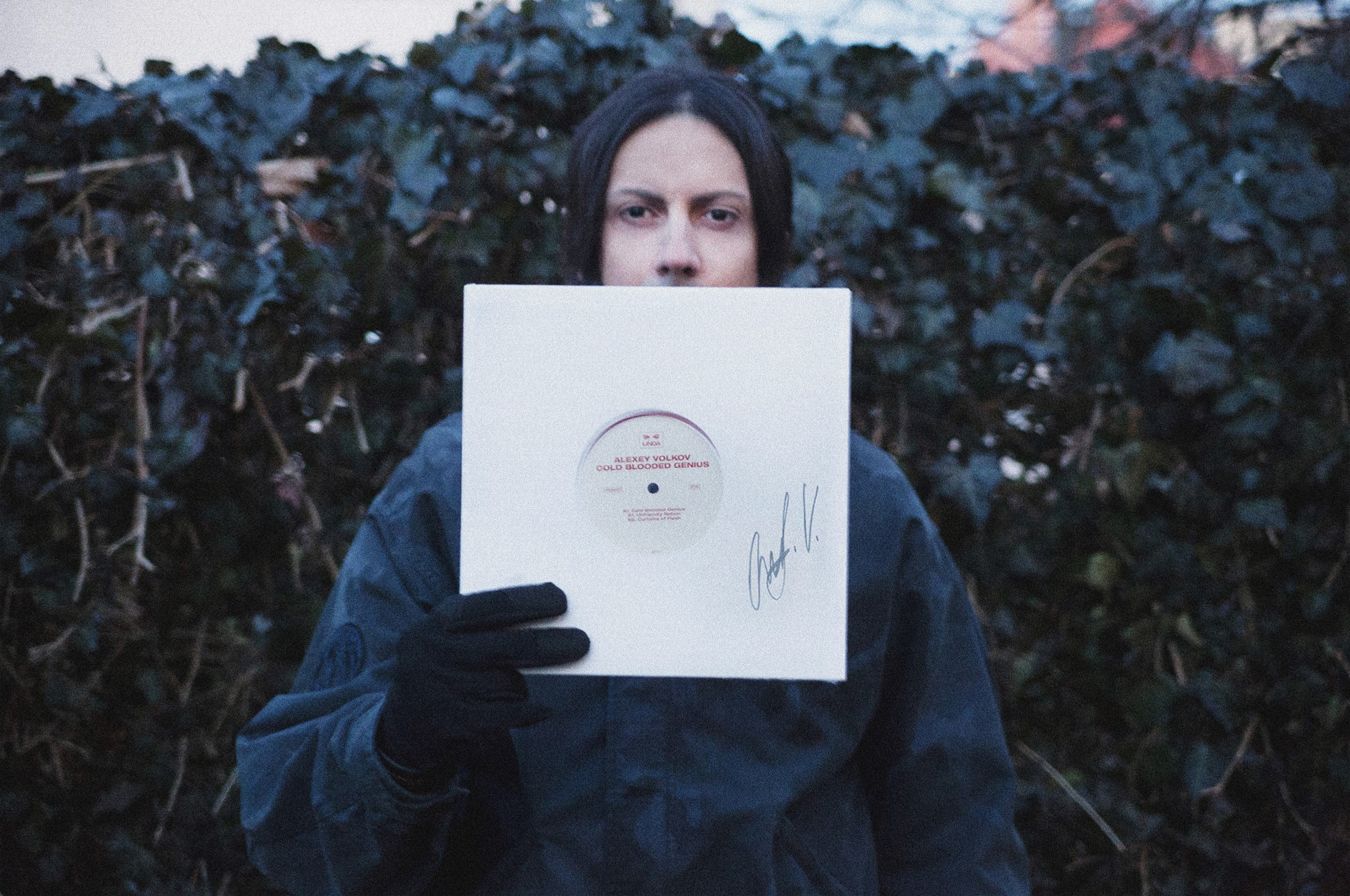
How did your music end up at the Raf Simons show? Tell us that story.
Terence Fixmer told me about it. He was present at the show. Raf Simons has always had an interest in subcultures and early Belgian sound. Fixmer transformed and modernized that sound, and I ended up on his label Planete Rouge. So that connection feels quite natural.
Как получилось, что твоя музыка прозвучала на показе Raf Simons? Расскажи про эту историю.
Об этом мне рассказал Terence Fixmer. Он присутствовал на показе. У Рафа Симонса всегда был интерес к субкультурам и раннему бельгийскому звуку. Фиксмер этот звук трансформировал и модернизировал, а я попал на его лейбл Planete Rouge. Поэтому такая связь кажется вполне естественной.
How do you feel about electronic music becoming more and more intertwined with fashion and visual art?
Extremely positive. A huge number of talented people work in both music and fashion. To me it’s a natural dialogue between different art forms.
Как ты относишься к тому, что электронная музыка всё плотнее срастается с миром моды и визуального искусства?
Предельно позитивно. И в музыке, и в fashion работает огромное количество талантливых людей. Для меня это естественный диалог между разными формами искусства.
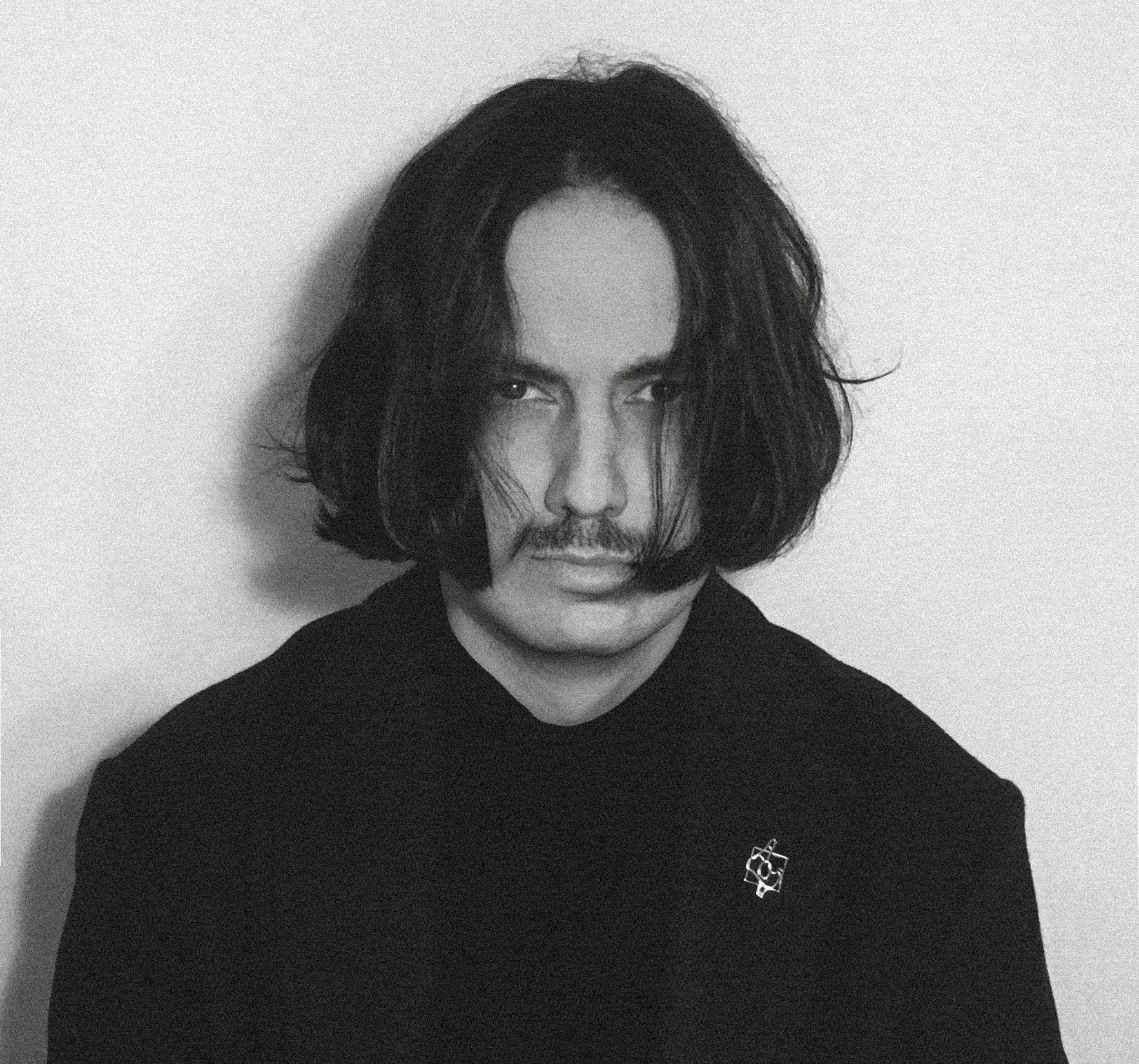
Which artist, label, or producer has influenced you most through collaboration and why?
Hard to single out just one. Every collaboration brings a unique experience and changes you in its own way. If we’re talking about dynamics, ups and downs, a strong level of abstraction and freedom of sound, then probably the most telling experience was working with the label Jealous God.
С кем из артистов, лейблов или продюсеров работа повлияла на тебя сильнее всего — и почему?
Сложно выделить кого-то одного. Каждая коллаборация приносит уникальный опыт и меняет тебя по-своему. Если говорить о динамике, взлётах и падениях, сильном уровне абстракции и свободы звука, то, вероятно, самым показательным опытом стала работа с лейблом Jealous God.
How do you balance studio work with live and DJ performances? Where do you feel most like yourself?
There isn’t really a balance as such. It all happens fairly chaotically. In the studio, the rational part of thinking switches off and intuition takes over. During a performance, more control is required. In both, I feel equally real.
Как ты выстраиваешь баланс между студийной работой и живыми/DJ-выступлениями? Где ты чувствуешь себя более настоящим?
Баланса как такового нет. Всё происходит довольно хаотично. В студии отключается рациональная часть мышления и начинает работать интуиция. Во время выступления требуется больше контроля. И там, и там чувствую себя одинаково настоящим.
Describe your approach to gear. Are there instruments without which your sound simply wouldn’t exist?
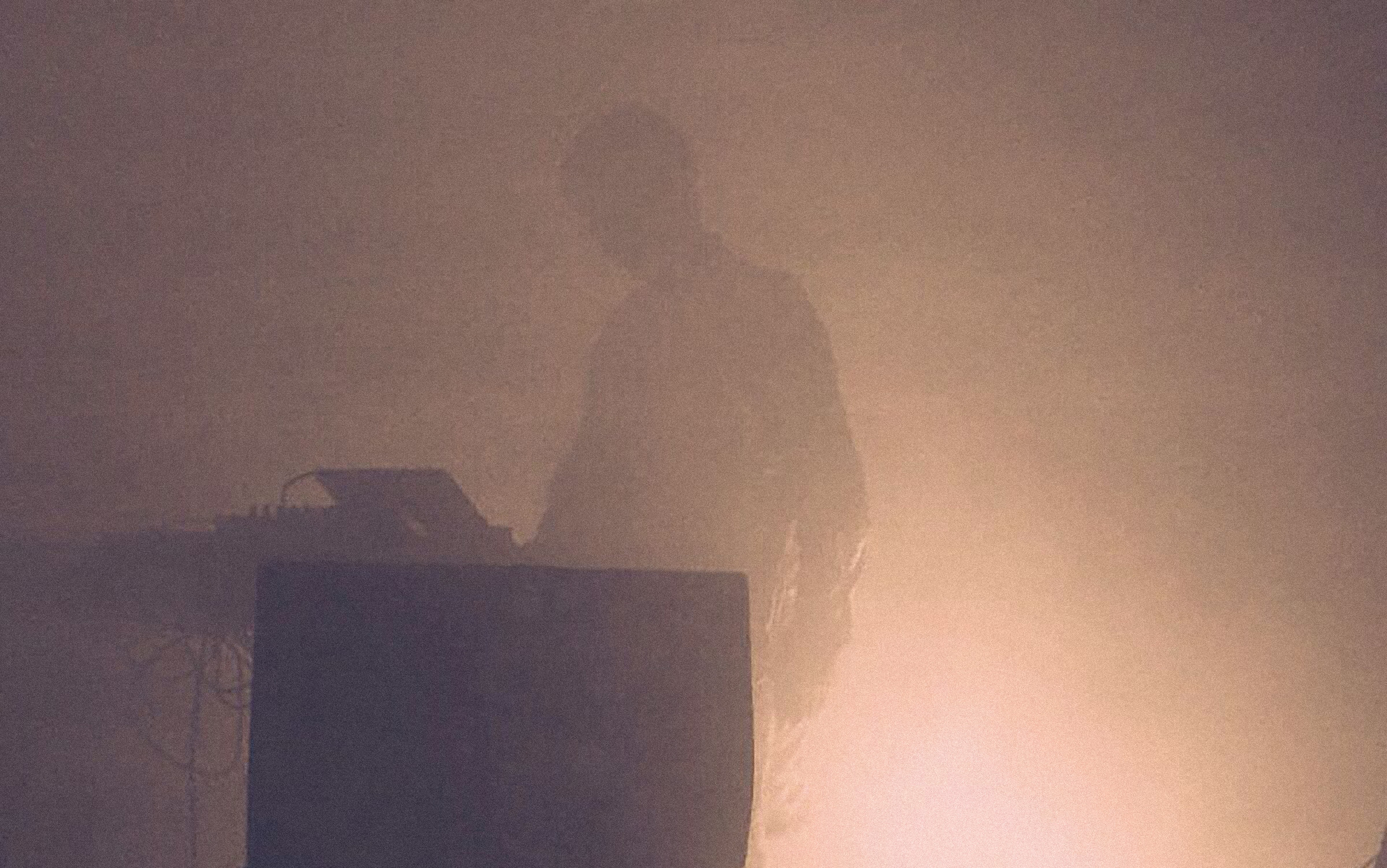
As I’ve gotten older, I’ve deliberately started limiting myself in terms of tools. In my case, this makes the process more productive and more focused. I’ve used Ableton practically since it first existed. As for hardware, I’ve kept only the DSI Mopho, a step sequencer, and a bass guitar. Everything else I sold or gave away. Without these tools I wouldn’t be able to work. The rest is noise. Also, it’s much more interesting to climb into an abandoned industrial site with a recorder and record your own sounds than to sift through ready-made sample packs.
Опиши свой подход к железу. Есть ли инструменты, без которых твой звук просто не существовал бы?
С возрастом сознательно начал ограничивать себя в инструментах. В моём случае это делает процесс продуктивнее и более углублённым. Использую Ableton практически с самого начала его существования. Из железа оставил только DSI Mopho, пошаговый секвенсор и бас-гитару. Всё остальное продал или подарил. Без этих инструментов я не смог бы.
The music industry has changed enormously over the years you’ve been in it. What changes have you made peace with, and what still doesn’t sit right with you?
I never felt like part of the music industry. But the ways of publishing and promoting music have changed. Today you can become very visible thanks to the right infrastructure, distribution, publishing, and marketing, even without especially strong material. At the same time, the speed of processes itself has increased. I constantly watch big names appear and disappear. Especially among DJs. Though it’s more accurate now to say USB-jockeys.
Музыкальная индустрия сильно изменилась за годы, что ты в ней. Что из этих перемен ты принимаешь, а с чем так и не смирился?
Никогда не ощущал себя частью музыкальной индустрии. Но изменились способы публикации и продвижения музыки. Сегодня можно оказаться очень заметным благодаря правильной инфраструктуре, дистрибуции, паблишингу и маркетингу даже без особенно сильного материала. При этом сама скорость процессов выросла. Я постоянно наблюдаю, как появляются и исчезают большие имена. Особенно среди DJs. Хотя правильнее уже говорить USB-jockeys.
Industrial and experimental techno were at their peak between 2014 and 2019, then hard techno took over the scene. Now it feels like interest in more complex and avant-garde sound is growing again. Do you notice that shift? How do you see these cycles, why does the scene swing like this?
Good question, but I don’t know. I don’t think about it.
С 2014 по 2019 индастриал и эксперимент гремели, потом сцену забрало хард-техно. Сейчас будто снова растёт интерес к более сложному и авангардному звуку. Ты замечаешь это? Как ты смотришь на эти циклы, почему сцену так качает?
Хороший вопрос, но я не знаю. Не думаю об этом.
Many say underground techno is gradually being commercialized and losing its edge. Do you agree? Where is the scene heading?
Commercialization is indeed happening. But the demand for purity of expression and a high level of abstraction isn’t going anywhere. It seems to me we’re moving toward an interesting split between AI and what used to be called the spark of God. Perhaps in the end a symbiosis will emerge. I’m not pessimistic. On Bandcamp and in underground communities, an enormous amount of very pure and authentic music still appears. So the genuine will for it exists in people.
Многие говорят, что андеграунд-техно постепенно коммерциализируется и теряет остроту. Ты с этим согласен? Куда движется сцена?
Коммерциализация действительно происходит. Но запрос на чистоту высказывания и высокий уровень абстракции никуда не исчезает. Мне кажется, мы движемся в сторону интересного расщепления между AI и тем, что раньше называли искрой Бога. Возможно, в итоге возникнет симбиоз. Я не настроен пессимистично. На Bandcamp и в андеграундных сообществах до сих пор появляется огромное количество очень чистой и аутентичной музыки. Значит, истинная воля к этому у людей есть.
Over nearly three decades in music there must have been moments when you wanted to walk away, what kept you going? And looking ahead: what are you working on now, and is there a goal or idea that still won’t let you go?
No, I never had the desire to give it all up. There have been ups and downs, but the process of making music itself has long been part of my identity. I keep doing it because I like the process itself. Without inflated expectations, but with the understanding that my sound sometimes gets under someone’s skin and stays there for a long time.
За почти три десятилетия в музыке наверняка были моменты, когда хотелось всё бросить, что тебя удерживало? И если смотреть вперёд: над чем ты работаешь сейчас и есть ли цель или идея, которая до сих пор не отпускает?
Нет, желания всё бросить никогда не было. Были взлёты и падения, но сам процесс создания музыки давно стал частью моей идентичности. Продолжаю делать это потому, что нравится сам процесс. Без завышенных ожиданий, но с пониманием, что мой звук иногда ложится кому-то под кожу и остаётся там надолго.
Socials:
Bandcamp – perfecttension.bandcamp.com
Instagram – instagram.com/perfect.tension
Soundcloud – soundcloud.com/alexeyvolkovofficial
Booking / Management contacts:
Text by Denis Veber / Thanks to Alexey Volkov — Daze Team
![B1980 [ NEVERLAND ]](https://dazeonly.com/wp-content/uploads/2026/09/b1980-cover-1024x824-1-150x150.jpg)
![QUAL[I WON’T SING HAPPY SONGS]](https://dazeonly.com/wp-content/uploads/2026/04/qual-150x150.jpg)
![ORPHX [A NATURAL DEVELOPMENT]](https://dazeonly.com/wp-content/uploads/2026/08/orphx-journal-preview-1024x824-1-150x150.jpg)